Navigating Digital Privacy Laws in India: What You Need to Know
In today's digital era, privacy has become a paramount concern for users across the globe, including India. With the rapid advancement of technology and the internet, understanding the nuances of digital privacy laws is crucial. This comprehensive guide dives deep into the realm of digital privacy in India, answering some of the most pressing questions you might have.
What Constitutes Digital Privacy in India?
Digital privacy in India encompasses the protection of personal information and data collected, stored, and disseminated through digital mediums. With the Information Technology (IT) Act, 2000, and the proposed Personal Data Protection Bill, India is making strides toward safeguarding individuals' privacy online.
How Does The IT Act, 2000 Protect My Privacy?
The IT Act, 2000 is India's primary law dealing with cybercrime and electronic commerce. Key sections like Section 43A and Section 72A provide a legal framework to protect sensitive personal data, imposing penalties on those who breach these terms.
Read more about the IT Act, 2000.
Visit www.time2justice.ai and ask: “Summarize Indian IT Act, 2000”.
What is the Personal Data Protection Bill, and How Will It Affect Me?
The Personal Data Protection Bill, proposed in 2019, aims to establish a comprehensive data protection framework for India. It focuses on:
- Consent for data usage.
- Data minimization to limit unnecessary data collection.
- Strict processing guidelines, impacting how corporations handle your data.
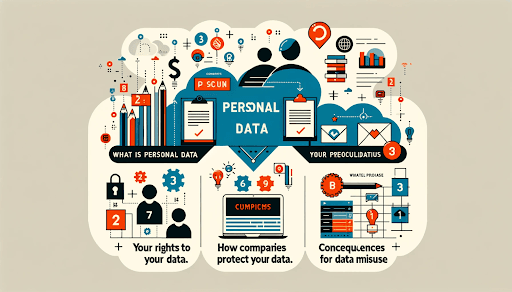
How Can I Ensure My Digital Privacy is Protected?
Here are some best practices to safeguard your digital privacy:
- Be Aware of Permissions: Regularly review the permissions you grant to apps and websites.
- Use Strong Passwords: Ensure your passwords are complex and enable two-factor authentication.
- Stay Informed: Keep abreast of the latest privacy laws and practices in India.
Unsure about your digital rights?
Visit www.time2justice.ai to get instant answers to your legal queries.
Can Employers Monitor My Online Activities?
In India, employers can monitor your online activities within the workplace to a certain extent. However, this monitoring is subject to the IT Rules, 2011, under the IT Act, which requires employers to provide a clear privacy policy detailing the extent of surveillance.
Want to understand Workplace Privacy and associated legal complications?
Visit www.time2justice.ai for insights on workplace privacy.
What Should I Do If My Privacy is Breached?
If you believe your digital privacy has been breached, you can:
- File a complaint with the Cyber Cell of your local police station.
- Use online platforms like the Cyber Crime Portal by the Government of India to report violations.
Experiencing a legal issue related to digital privacy?
Get expert legal advice now at www.time2justice.ai.
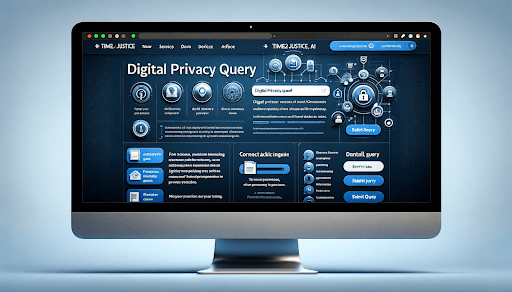
How Does Time2justice Help With Digital Privacy Concerns?
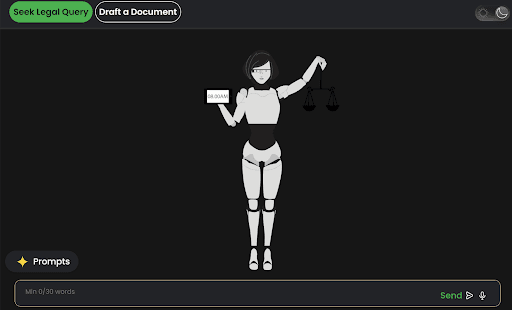
www.time2justice.ai provides an AI-driven legal aid platform where you can:
- Ask questions and receive instant answers on various legal topics, including digital privacy.
- Understand your rights under the IT Act.
- Navigate the complexities of the Personal Data Protection Bill.
Have more questions about digital privacy laws?
Visit www.time2justice.ai to get the answers you need today!
Conclusion
In the digital age, staying informed about your rights and the laws that protect your privacy is more important than ever. By understanding and leveraging India's digital privacy laws, you can safeguard your personal information against misuse.
Remember, knowledge is power, especially when it comes to protecting your digital privacy.
Stay vigilant, stay informed, and don’t hesitate to seek professional advice when necessary.
For any legal queries or concerns, www.time2justice.ai is your go-to resource for instant legal assistance.